Regular maintenance and cleaning of commercial water heaters are crucial for ensuring their efficient operation, extending their lifespan, and providing a safe and reliable hot water supply. As a commercial water heater supplier, I understand the importance of proper maintenance and am here to guide you through the process of cleaning a commercial water heater. Commercial Water Heater
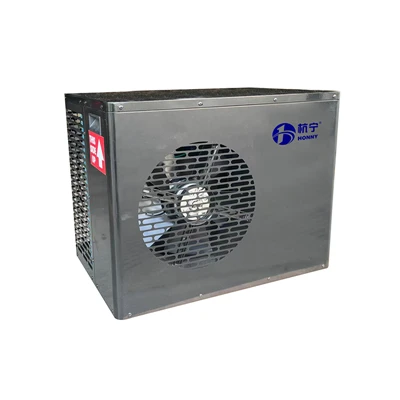
Understanding Your Commercial Water Heater
Before you start cleaning your commercial water heater, it’s essential to understand its type and specific requirements. There are several types of commercial water heaters, including storage tank water heaters, tankless water heaters, and heat pump water heaters, each with its unique cleaning and maintenance needs.
- Storage Tank Water Heaters: These are the most common type of commercial water heaters. They store a large volume of hot water in a tank and are available in various sizes and capacities. Over time, sediment can accumulate at the bottom of the tank, reducing efficiency and potentially causing damage.
- Tankless Water Heaters: Also known as on – demand water heaters, tankless models heat water directly as it flows through the unit, without the need for a storage tank. They are more energy – efficient but can be more sensitive to mineral buildup in the water.
- Heat Pump Water Heaters: These water heaters use electricity to move heat from one place to another, rather than generating heat directly. They require proper cleaning of the heat exchanger and air filters to maintain efficiency.
Pre – Cleaning Preparations
- Gather Necessary Tools and Supplies: You will need a variety of tools and supplies for the cleaning process. These typically include a garden hose, a bucket, a wire brush, a wrench, a cleaning solution (such as a descaling agent), and safety equipment like gloves and goggles.
- Turn Off the Power and Water Supply: For electric water heaters, switch off the circuit breaker that controls the unit. For gas water heaters, turn the gas valve to the “off” position. Also, shut off the cold – water supply valve to the water heater.
- Relieve Pressure: Open a hot – water faucet in the building to relieve the pressure in the water heater tank. This will prevent any potential accidents when you start draining the water.
Cleaning a Storage Tank Water Heater
- Draining the Tank
- Connect a garden hose to the drain valve at the bottom of the water heater tank. Place the other end of the hose in a suitable drainage area, such as a floor drain or outside.
- Open the drain valve slowly to begin draining the water. Let the water flow until it runs clear, which may take some time, especially if there is a significant amount of sediment in the tank.
- Removing Sediment
- Once the tank is mostly drained, use a wire brush to scrub the bottom of the tank gently. This will help loosen any stubborn sediment that has accumulated. Be careful not to damage the tank’s interior lining.
- If the sediment is particularly thick, you may need to refill the tank partially with water and then drain it again to flush out the loosened sediment.
- Cleaning the Anode Rod
- The anode rod in a water heater is designed to attract corrosion – causing elements in the water, sacrificing itself to protect the tank. Locate the anode rod, which is usually at the top of the tank.
- Use a wrench to remove the anode rod. Inspect it for corrosion. If it is more than half – worn, it should be replaced. If it is still in good condition, clean it with a wire brush to remove any debris.
- Refilling and Restarting
- Close the drain valve and turn on the cold – water supply valve to refill the tank. Wait for the tank to fill completely, which you can confirm by checking that the hot – water faucet stops spitting air and only dispenses water.
- For electric water heaters, switch the circuit breaker back on. For gas water heaters, relight the pilot light according to the manufacturer’s instructions.
Cleaning a Tankless Water Heater
- Turn Off the Unit and Water Supply
- As with a storage tank water heater, turn off the power and water supply to the tankless unit. This ensures your safety during the cleaning process.
- Locate the Inlet and Outlet Valves
- These valves control the flow of water into and out of the tankless water heater. You will need to close these valves before proceeding.
- Descaling the Unit
- Purchase a descaling solution specifically designed for tankless water heaters. Follow the manufacturer’s instructions on the descaling solution to prepare the mixture.
- Use a pump or a circulation kit to pump the descaling solution through the tankless water heater. This will help dissolve any mineral deposits that have built up inside the heat exchanger.
- Let the solution circulate for the recommended time, usually around 30 minutes to an hour.
- Rinsing the Unit
- After the descaling process is complete, use clean water to flush the system thoroughly. This will remove any remaining descaling solution and loosened mineral deposits.
- Once the water runs clear, open the inlet and outlet valves and turn on the water supply. Then, turn the power back on to the unit.
Cleaning a Heat Pump Water Heater
- Turn Off the Power and Water Supply
- Ensure the heat pump water heater is completely powered off and the water supply is shut off.
- Clean the Air Filters
- Locate the air filters on the heat pump unit. These filters can become clogged with dust and dirt over time, reducing the unit’s efficiency.
- Remove the filters and clean them with a vacuum cleaner or by washing them gently with mild soap and water. Let the filters dry completely before reinstalling them.
- Inspect and Clean the Heat Exchanger
- The heat exchanger is a critical component of the heat pump water heater. Inspect it for any signs of damage or buildup.
- If there is dirt or debris on the heat exchanger, use a soft brush or compressed air to clean it carefully.
- Check the Condensate Drain
- Heat pump water heaters produce condensate as part of their operation. Make sure the condensate drain is clear and free of blockages. If necessary, use a pipe cleaner or a small brush to clear any clogs.
- Restart the Unit
- Once all the cleaning steps are completed, turn on the water supply and then the power to the heat pump water heater. Monitor the unit for a few minutes to ensure it is operating properly.
Frequency of Cleaning
- The frequency of cleaning your commercial water heater depends on several factors, including the hardness of the water, the usage volume, and the type of water heater.
- For areas with hard water, it is recommended to clean storage tank water heaters at least once a year and tankless water heaters every six months to prevent excessive mineral buildup.
- In high – usage commercial settings, more frequent cleaning may be required. For example, in a busy restaurant or hotel, storage tank water heaters may need to be cleaned every six months, and tankless water heaters every three to four months.
The Benefits of Regular Cleaning
- Energy Efficiency: A clean water heater operates more efficiently, reducing energy consumption and lowering utility costs. Sediment buildup in storage tank water heaters and mineral deposits in tankless water heaters can insulate the heating elements, making them work harder to heat the water.
- Extended Lifespan: By preventing corrosion and damage caused by sediment and mineral buildup, regular cleaning can significantly extend the lifespan of your commercial water heater. This saves you money on costly replacements.
- Reliable Hot Water Supply: A well – maintained water heater is less likely to break down, ensuring a consistent and reliable supply of hot water for your business operations.
Conclusion
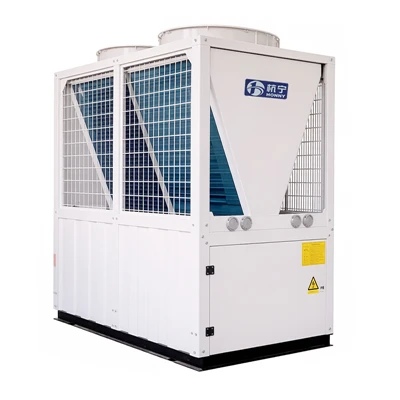
Cleaning your commercial water heater is a vital part of its maintenance. By following the steps outlined above and adhering to a regular cleaning schedule, you can ensure the efficient, reliable, and long – lasting operation of your water heater.
Ice Bath Machine As a commercial water heater supplier, I’m committed to providing high – quality products and expert advice on water heater maintenance. If you’re in the market for a new commercial water heater or need more information on how to keep your existing one in top condition, I encourage you to reach out to me for a consultation. Whether you’re a small business owner or managing a large commercial establishment, I can help you find the right water heater solution and guide you through the maintenance process.
References
- “Commercial Water Heater Maintenance Guide” – Various industry – standard plumbing and heating manuals.
- Manufacturer’s instructions for different commercial water heater models.
Hangzhou Honny Heat Energy Technology Co., Ltd.
We are one of the most experienced commercial water heater manufacturers and suppliers in China. With a professional production team, we are able to meet the needs of the majority of our customers. Please feel free to wholesale customized commercial water heater from our factory. Also, quotation is available.
Address: Dingshan Village, Wenyan Subdistrict, Xiaoshan District, Hangzhou City, Zhejiang Province
E-mail: 524435406@qq.com
WebSite: https://www.hnrnkj.com/
