In today’s dynamic energy landscape, grid resilience has emerged as a paramount concern. As the demand for electricity continues to soar and the integration of renewable energy sources becomes more widespread, the stability and reliability of the power grid face unprecedented challenges. Battery energy storage systems (BESS) and their components, along with advanced controllers, have emerged as key solutions to enhance grid resilience. As a leading supplier of BESS components and controllers, I am excited to delve into how these technologies contribute to a more robust and resilient power grid. BESS Components & Controllers
Understanding Grid Resilience
Before we explore the role of BESS components and controllers, it’s crucial to understand what grid resilience means. Grid resilience refers to the ability of the power grid to withstand, adapt to, and rapidly recover from disruptions. These disruptions can range from natural disasters such as hurricanes, earthquakes, and wildfires to man – made events like cyberattacks and equipment failures. A resilient grid ensures continuous power supply to consumers, minimizes the impact of outages on the economy, and supports the integration of new and diverse energy sources.
The Basics of BESS
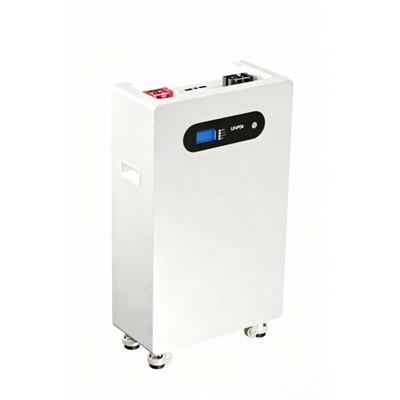
A BESS is a system that stores electrical energy in batteries and releases it when needed. It consists of several key components, including batteries, power conversion systems (PCS), battery management systems (BMS), and thermal management systems. Each of these components plays a vital role in the overall performance and functionality of the BESS.
The batteries are the heart of the BESS, storing electrical energy in chemical form. Different types of batteries, such as lithium – ion, lead – acid, and flow batteries, have different characteristics in terms of energy density, cycle life, and cost. Our company offers a wide range of battery options to meet the specific needs of different grid applications.
The PCS is responsible for converting the direct current (DC) power stored in the batteries into alternating current (AC) power that can be fed into the grid. It also controls the charging and discharging of the batteries, ensuring efficient and safe operation. Our PCS products are designed with high efficiency and advanced control algorithms to optimize power flow and grid interaction.
The BMS monitors and manages the battery pack. It measures parameters such as voltage, current, and temperature, and ensures that the batteries operate within their safe operating limits. The BMS also balances the charge among individual battery cells, which helps to extend the battery life and improve the performance of the BESS. Our BMS solutions are highly reliable and offer real – time monitoring and diagnostic capabilities.
The thermal management system maintains the optimal temperature of the batteries. Batteries are sensitive to temperature, and extreme temperatures can reduce their performance and lifespan. Our thermal management systems are designed to dissipate heat effectively and ensure stable battery operation in various environmental conditions.
How BESS Components Contribute to Grid Resilience
Energy Storage and Peak Shaving
One of the primary ways BESS components contribute to grid resilience is through energy storage and peak shaving. During periods of low electricity demand, the BESS can store excess energy from the grid or renewable energy sources. When the demand reaches its peak, the stored energy can be released back into the grid, reducing the strain on the power generation and transmission infrastructure. This helps to prevent grid overloads and blackouts, especially during hot summer days or cold winter nights when electricity consumption is at its highest.
For example, in regions with a high penetration of solar power, the BESS can store the excess solar energy generated during the day and release it in the evening when the sun goes down and the demand for electricity remains high. This not only helps to balance the supply and demand but also reduces the need for expensive peaking power plants.
Frequency Regulation
BESS components also play a crucial role in frequency regulation. The frequency of the power grid must be maintained within a narrow range (usually 50 or 60 Hz) to ensure the proper operation of electrical equipment. When there is an imbalance between the power generation and consumption, the grid frequency can deviate from its nominal value.
The PCS in the BESS can respond rapidly to these frequency changes by injecting or absorbing power from the grid. This helps to restore the grid frequency to its normal level and maintain the stability of the power system. Our advanced PCS products are capable of providing fast – acting frequency regulation services, which are essential for grid resilience, especially in grids with a high proportion of intermittent renewable energy sources.
Voltage Support
In addition to frequency regulation, BESS components can also provide voltage support. Voltage fluctuations in the power grid can cause damage to electrical equipment and disrupt the normal operation of the grid. The BESS can inject or absorb reactive power to regulate the voltage at different points in the grid.
The PCS can be controlled to adjust the reactive power output, which helps to maintain the voltage within the acceptable range. This is particularly important in distribution networks, where voltage variations can be more pronounced due to the long distance and low – voltage levels. Our BESS solutions are designed to provide effective voltage support, improving the power quality and reliability of the grid.
The Role of BESS Controllers
BESS controllers are the brains behind the operation of the battery energy storage system. They are responsible for coordinating the operation of all the components in the BESS and ensuring that the system operates in an optimal and efficient manner.
Centralized and Distributed Control
There are two main types of BESS controllers: centralized and distributed. Centralized controllers manage the entire BESS as a single entity, making decisions based on the overall system status and grid requirements. Distributed controllers, on the other hand, are installed at the component level and communicate with each other to achieve a coordinated operation.
Our company offers both centralized and distributed control solutions, depending on the specific needs of the project. Centralized controllers are suitable for large – scale BESS applications where a single point of control is required. Distributed controllers are more flexible and can provide better performance in some cases, especially in systems with complex topologies.
Advanced Control Algorithms
Advanced control algorithms are used in BESS controllers to optimize the operation of the system. These algorithms take into account various factors such as battery state of charge (SOC), grid conditions, and load demand. For example, the controller can use predictive control algorithms to forecast the future energy demand and adjust the charging and discharging strategy accordingly.
Our controllers are equipped with state – of – the – art control algorithms that are continuously updated to improve the performance and efficiency of the BESS. These algorithms help to maximize the energy storage capacity, extend the battery life, and enhance the grid support capabilities.
Grid – Connected and Islanded Operation
BESS controllers also enable the BESS to operate in both grid – connected and islanded modes. In grid – connected mode, the BESS can interact with the grid to provide energy storage and grid support services. In islanded mode, the BESS can operate independently from the grid, providing power to a local load during a grid outage.
Our controllers are designed to seamlessly switch between grid – connected and islanded modes, ensuring continuous power supply to critical loads. This is particularly important for industries, hospitals, and other facilities that require uninterrupted power.
Real – World Examples
There are numerous real – world examples that demonstrate the effectiveness of BESS components and controllers in enhancing grid resilience. For instance, in South Australia, a large – scale BESS was installed to address the issues of grid instability caused by the high penetration of wind power. The BESS, equipped with advanced PCS and controllers, has been able to provide fast – acting frequency regulation and voltage support, significantly improving the stability of the grid.
In California, BESS systems are being used for peak shaving and energy storage. These systems help to reduce the strain on the grid during peak demand periods and integrate more renewable energy into the system. The BESS controllers in these projects are programmed to optimize the charging and discharging cycles based on the real – time grid conditions and electricity prices.
Conclusion
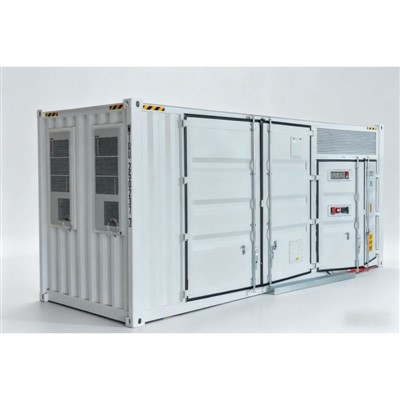
In conclusion, BESS components and controllers play a vital role in enhancing grid resilience. Through energy storage, peak shaving, frequency regulation, voltage support, and advanced control strategies, these technologies help to ensure the stability, reliability, and efficiency of the power grid. As the demand for electricity continues to grow and the integration of renewable energy sources accelerates, the importance of BESS in grid resilience will only increase.
TUV Solar Cable If you are interested in learning more about our BESS components and controllers or are looking for solutions to enhance the resilience of your power grid, we invite you to contact us for a procurement discussion. Our team of experts is ready to work with you to develop customized solutions that meet your specific needs.
References
- Kempton, W., & Tomić, J. "Vehicle – to – grid power fundamentals: Calculating capacity and net revenue." Journal of Power Sources, 2005, 144(1), 268 – 279.
- Lund, H., & Mathiesen, B. V. "Energy system analysis of 100% renewable energy systems – The case of Denmark in 2030." Energy, 2009, 34(5), 524 – 531.
- Zhang, C., & Li, F. "A review of battery energy storage system for power system frequency regulation." Renewable and Sustainable Energy Reviews, 2017, 75, 1035 – 1045.
Tianjin Xilingke New Energy Technology Co., Ltd.
Address: Suite 2601, Tower B, Wanghai International, Haihe East Road, Hebei District, Tianjin, China.
E-mail: robin@sinelinkev.com
WebSite: https://www.sinelinkenergy.com/
