If you’ve ever felt your car wander slightly when you’re cruising down a straight highway, or noticed a strange clunking noise when turning into your driveway, you might be dealing with a worn ball joint. As someone who’s been in the auto suspension parts industry for over a decade—first as a tech in a small independent shop, now as a supplier dedicated to making parts that last—I’ve seen firsthand how many drivers brush these signs off as “just how old cars act.” Ball joints are one of those unsung heroes in your suspension system, and when they wear out, they don’t just make your ride uncomfortable—they put your safety at risk. Let’s break down the symptoms of a worn ball joint, so you know what to look for before a small issue turns into a big problem. Auto Suspension Parts

First, let’s get clear on what a ball joint does, because understanding its job makes the symptoms make sense. Every car’s suspension relies on ball joints to connect the control arm to the steering knuckle—they’re like the hinge that lets your wheels move up and down over bumps while still turning left and right when you steer. They’re under constant stress: hitting potholes, curbs, even the day-to-day vibration of the road. Over time, the rubber seals that keep grease in and dirt out wear down, and metal parts start to corrode or wear thin, leading to play (excess movement) that causes all sorts of weird, noticeable issues.
One of the earliest and most common signs is that vague wandering feeling while driving straight. I can’t tell you how many times a customer has come into our shop saying, “I have to tug the wheel a little left or right the whole time I’m on the interstate, and I’m tired of fighting it.” That’s play in a ball joint. When the joint is worn, it doesn’t hold the wheel steady anymore—every small imperfection in the road, every slight wind gust, makes the wheel shift more than it should. New ball joints keep the wheel aligned and locked in place, so you don’t have to constantly adjust your steering to stay straight. I remember a customer a few years back who ignored this symptom for months, and by the time he came to us, he’d worn out two sets of tires because his alignment was off from the constant wheel shifting. That’s a preventable cost if you catch it early.
Next, there are those clunking or creaking noises when you turn or go over bumps. A lot of drivers mistake this for a worn sway bar link or a bad strut mount, but ball joints make a unique clunk when they’re loose. Think about it: when you hit a pothole, the wheel moves upward, and if the ball joint has play, the control arm and steering knuckle bang against each other instead of moving smoothly. I always tell my techs to listen for where the noise is coming from—if it’s in the front end, specifically when turning or going over uneven surfaces, that’s a red flag. Sometimes it’s a low, metallic clunk when you pull forward after stopping, or a creak when you turn the steering wheel all the way left or right (like when you’re parallel parking). Those noises don’t just start out loud—they get worse the more you drive, because the wear accelerates every time the joint moves.
Uneven tire wear is another big one, and it’s easy to tie back to ball joints once you connect the dots. Worn ball joints throw off your wheel alignment, but not just in the basic “your steering is off” way—they cause specific uneven wear patterns. You might notice cupping on the edge of the tire, or feathered wear where one side of the tread is worn smooth and the other is still deep. I once checked a 2018 Honda Civic that had its original tires at 30,000 miles, which is way too early for most front-wheel drive cars. The culprit was a worn driver-side lower ball joint—its play was tilting the wheel inward (negative camber) when the car moved, so the inside edge of the tire was wearing down faster than the rest. Replacing the ball joint fixed the alignment, and the customer was able to get another 25,000 miles out of a new set of tires. That’s money saved by catching a symptom early.
If you’re really not sure, there’s a simple at-home check you can do (though I always recommend having a professional confirm it, because it takes some practice). Park your car on a flat, level surface, and set the parking brake. Grab the front of one wheel at the 12 o’clock and 6 o’clock positions—top and bottom—and wiggle it back and forth as hard as you can. If you feel more than a tiny bit of movement (hardly any at all on a new ball joint), that’s play. Do the same at the 3 o’clock and 9 o’clock positions, too—some ball joint wear shows up in lateral movement as well. If you see or feel the wheel shifting, your ball joint is worn. I always caution drivers not to do this with too much force if you’re not comfortable, because a worn ball joint can actually fail completely if you put too much stress on it, which would make the wheel wobble or even come loose.
There are also some less obvious symptoms that people often miss. For example, a loose steering feel—your steering wheel might feel “sloppy” when you turn, like there’s a delay between when you turn the wheel and when the wheel actually starts moving. That’s play in the ball joint transferring to the steering system. Another one is uneven steering effort: if it feels harder to turn left than right, or vice versa, that could be a worn ball joint on the side that’s stiffer. I’ve also seen cases where a worn ball joint causes the steering wheel to vibrate at highway speeds, specifically when you go over 50 or 60 mph, because the loose wheel is bouncing enough to create a vibration you feel in your hands.
Now, why does this matter to you, the driver? A ball joint failure is one of the most dangerous suspension issues you can have. If a ball joint completely breaks, your wheel can separate from the car while you’re driving—at highway speeds, that’s a catastrophic accident. I’ve worked with customers who thought they could just “wait a little longer” to replace their ball joints, and some of them got lucky; others weren’t so fortunate. As a supplier of auto suspension parts, my team and I test every ball joint we sell to make sure they meet or exceed OEM standards, because we don’t cut corners when it comes to parts that keep people safe. Worn ball joints aren’t something to ignore, and the earlier you replace them, the cheaper it is—you avoid tire wear, alignment costs, and even more expensive suspension damage that can come from driving on a worn joint.
I know that when it comes to auto parts, it’s easy to put things off, especially if you don’t notice an obvious problem. But these symptoms are your car’s way of telling you something’s wrong, and ball joints are not something you want to gamble with. If you’ve noticed any of the signs I mentioned—wandering steering, clunking noises, uneven tire wear, loose play in the wheel—or if your car is over 100,000 miles and you haven’t had your ball joints checked recently, it’s time to have a professional inspect them.
If you’re in the market for replacement ball joints, look for a supplier that uses high-quality materials—we use forged steel for our ball joint housings, sealed with heavy-duty rubber that resists grease leakage and dirt infiltration, which is what makes our parts last longer than budget alternatives. Cheap ball joints often have thin seals that wear out in just a few years, leading to early failure, while our parts are built to handle the stress of daily driving, potholes, and harsh weather. We stand behind every part we sell, because we know how important reliable suspension is for every driver’s safety.
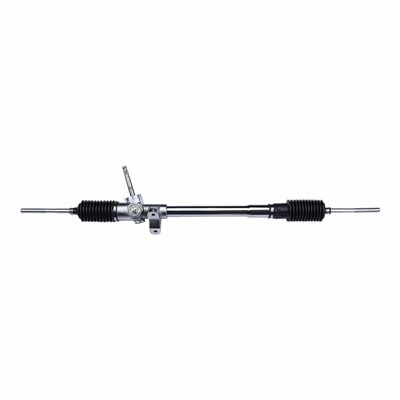
If you’d like to discuss your suspension part needs, or have questions about choosing the right ball joints for your vehicle, our team is here to help. Don’t wait until a small wear issue becomes a safety hazard—reach out to us today to coordinate a procurement discussion, and let us help you keep your suspension running smooth and safe for miles to come.
Auto Brake Parts References:
- National Highway Traffic Safety Administration. (2021). Motor Vehicle Safety Defects: Suspension Systems. Retrieved from automotive safety technical reports
- Automotive Engineering International. (2019). "Ball Joint Design and Wear Characteristics in Modern Suspension Systems." SAE International Journal of Passenger Cars – Mechanical Systems
- Tire Industry Association. (2020). Uneven Tire Wear: Root Causes and Prevention. TIA Technical Bulletin
- Auto Care Association. (2022). Suspension Component Failure Trends and Driver Awareness. Auto Care Industry Analysis Report
JR Global Workshop Co., Ltd.
We’re well-known as one of the leading auto suspension parts manufacturers and suppliers in China. Please feel free to buy bulk high-grade auto suspension parts for sale here from our factory. All customized products are with high quality and competitive price.
Address: Fuyuan Industrial Zone, Baoan District, Shenzhen City, Guangdong province, China.
E-mail: jrspeed@spdmw.com.cn
WebSite: https://www.jr-speed.com/
