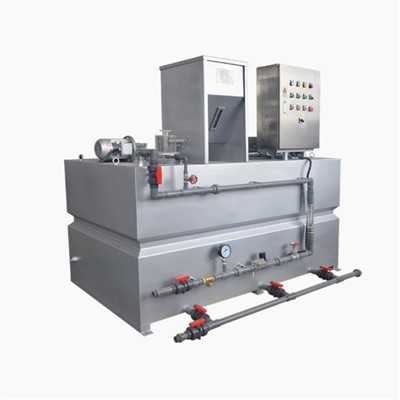
As a supplier of other sewage treatment equipment, I understand that choosing the right equipment for your specific needs can be a daunting task. With so many options available in the market, it’s crucial to make an informed decision that aligns with your requirements, budget, and environmental goals. In this blog post, I’ll share some valuable insights and practical tips to help you navigate the process of selecting the most suitable sewage treatment equipment. Other Sewage Treatment Equipment
Understanding Your Sewage Characteristics
The first step in choosing the right sewage treatment equipment is to understand the characteristics of the sewage you need to treat. Different types of sewage have varying levels of contaminants, including organic matter, suspended solids, nutrients, and pathogens. Factors such as the volume of sewage, flow rate, and the nature of the contaminants will influence the type of treatment process required.
For instance, if your sewage contains high levels of organic matter, you may need equipment that can effectively break down and remove these substances through biological treatment processes. On the other hand, if your sewage has a high concentration of heavy metals or other toxic substances, you may require specialized treatment methods to ensure compliance with environmental regulations.
Assessing Your Treatment Goals
Once you have a clear understanding of your sewage characteristics, the next step is to define your treatment goals. Are you looking to meet specific regulatory standards, reduce water pollution, or reuse treated water for non-potable purposes? Your treatment goals will determine the level of treatment required and the type of equipment that best suits your needs.
If your goal is to achieve a high level of water quality for reuse, you may need advanced treatment technologies such as reverse osmosis, ultrafiltration, or disinfection systems. These technologies can effectively remove a wide range of contaminants and produce water that meets strict quality standards.
Considering the Treatment Process
There are several treatment processes available for sewage treatment, each with its own advantages and limitations. The most common treatment processes include biological treatment, physical treatment, and chemical treatment.
- Biological Treatment: This process uses microorganisms to break down organic matter in the sewage. It is a cost-effective and environmentally friendly method that can effectively remove a significant portion of the organic contaminants. Biological treatment systems can be further classified into aerobic and anaerobic processes, depending on the presence or absence of oxygen.
- Physical Treatment: Physical treatment processes involve the use of physical methods such as sedimentation, filtration, and screening to remove suspended solids and other large particles from the sewage. These processes are often used as a pre-treatment step before biological or chemical treatment.
- Chemical Treatment: Chemical treatment involves the use of chemicals to remove specific contaminants from the sewage. This method is often used to treat sewage with high levels of heavy metals, nutrients, or other toxic substances. Chemical treatment can be expensive and may require careful handling of the chemicals to ensure safety.
Evaluating the Equipment Options
Once you have determined the treatment process that best suits your needs, the next step is to evaluate the different equipment options available in the market. When evaluating equipment, consider the following factors:
- Capacity: The capacity of the equipment should be sufficient to handle the volume of sewage you need to treat. Make sure to choose equipment that can accommodate your current and future needs.
- Efficiency: Look for equipment that is energy-efficient and can achieve high treatment efficiency. This will help you reduce operating costs and minimize environmental impact.
- Reliability: Choose equipment that is reliable and has a proven track record of performance. Consider the reputation of the manufacturer and the availability of technical support.
- Maintenance Requirements: Evaluate the maintenance requirements of the equipment and ensure that you have the resources and expertise to perform regular maintenance and repairs.
- Cost: Compare the cost of different equipment options and consider the long-term operating costs, including energy consumption, chemical usage, and maintenance.
Seeking Professional Advice
Choosing the right sewage treatment equipment can be a complex process, and it’s often beneficial to seek professional advice. A qualified engineer or consultant can help you assess your needs, recommend the most suitable treatment process and equipment, and provide guidance on installation, operation, and maintenance.
When selecting a professional, look for someone with experience in sewage treatment and a good understanding of the local regulations and environmental requirements. They can also help you navigate the permitting process and ensure that your sewage treatment system complies with all applicable laws and regulations.
Conclusion

Choosing the right sewage treatment equipment is a critical decision that can have a significant impact on the efficiency, effectiveness, and cost of your sewage treatment system. By understanding your sewage characteristics, defining your treatment goals, considering the treatment process, evaluating the equipment options, and seeking professional advice, you can make an informed decision that meets your needs and helps you achieve your environmental goals.
Specialized Wastewater Treatment Equipment If you’re in the market for other sewage treatment equipment, I encourage you to contact us to discuss your specific requirements. Our team of experts can provide you with personalized recommendations and help you choose the most suitable equipment for your needs. We look forward to working with you to find the best solution for your sewage treatment challenges.
References
- Metcalf & Eddy. (2003). Wastewater Engineering: Treatment and Reuse. McGraw-Hill.
- Tchobanoglous, G., Burton, F. L., & Stensel, H. D. (2003). Wastewater Engineering: Treatment, Disposal, and Reuse. McGraw-Hill.
- USEPA. (2017). Municipal Wastewater Treatment Manual. U.S. Environmental Protection Agency.
Shandong Lingke Environmental Technology Co., Ltd.
We’re well-known as one of the leading sewage treatment equipment manufacturers and suppliers in China, featured by quality products and good price. Please rest assured to buy durable sewage treatment equipment for sale here from our factory. Customized orders are welcome.
Address: 100 Meters South of the Intersection of County Road 042 and National Highway 309, Changle County, Weifang City, Shandong Province
E-mail: aileenlin@sdlingkegroup.com
WebSite: https://www.lkecotech.com/
