Pressure measurement stability over time is a crucial factor in the performance of pressure transmitters. As a supplier of pressure transmitters, I understand the significance of this characteristic in various industrial applications. In this blog, I will delve into what pressure measurement stability over time means, why it is important, the factors that affect it, and how we ensure high – quality stability in our pressure transmitters. Pressure Transmitter
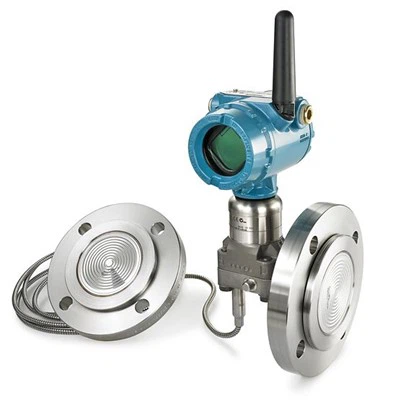
Understanding Pressure Measurement Stability over Time
Pressure measurement stability over time refers to the ability of a pressure transmitter to maintain a consistent and accurate output over an extended period. In an ideal scenario, when a constant pressure is applied to a pressure transmitter, its output signal should remain the same throughout the entire measurement period. However, in real – world applications, several factors can cause the output to deviate from the initial value.
Let’s consider a pressure transmitter installed in a chemical processing plant to monitor the pressure of a reaction vessel. If the pressure transmitter lacks long – term stability, over time, the readings it provides may become inaccurate. This inaccuracy can lead to misinterpretation of the process conditions, potentially resulting in product quality issues, safety hazards, and increased operational costs.
Importance of Pressure Measurement Stability
Process Control
In industrial processes, accurate pressure measurement is essential for maintaining optimal process conditions. For example, in a power generation plant, precise pressure control in the steam turbine is critical for efficient energy production. A pressure transmitter with poor stability can cause fluctuations in the control system, leading to sub – optimal performance and potential equipment damage.
Safety
Safety is a top priority in many industries, especially those dealing with hazardous materials or high – pressure systems. In oil and gas refineries, inaccurate pressure measurements due to poor transmitter stability can result in over – pressurization or under – pressurization of pipelines and storage tanks. These situations can lead to leaks, explosions, or other safety incidents, endangering both personnel and the environment.
Product Quality
In manufacturing, such as the production of semiconductors or pharmaceuticals, even slight variations in pressure can significantly impact product quality. A pressure transmitter with stable performance ensures that the manufacturing process remains within the specified pressure tolerances, leading to consistent and high – quality products.
Factors Affecting Pressure Measurement Stability over Time
Temperature Changes
Temperature is one of the most significant factors affecting pressure measurement stability. Pressure transmitters are often exposed to varying temperatures in industrial environments. As the temperature changes, the physical properties of the sensing element, such as its elasticity and electrical resistance, can also change. This can cause the output of the pressure transmitter to drift over time.
For example, if a pressure transmitter is installed outdoors, it may experience significant temperature variations between day and night. These temperature fluctuations can lead to thermal expansion and contraction of the sensing element, resulting in inaccurate pressure measurements.
Aging of Components
Over time, the components of a pressure transmitter, such as the sensors and electronic circuits, can age. The aging process can cause changes in the electrical and mechanical properties of the components, which in turn affects the stability of the pressure measurement. For instance, the insulation of the electrical wires may deteriorate, leading to signal interference and measurement errors.
Vibration and Shock
Industrial environments are often noisy and subject to vibrations and shocks. These mechanical disturbances can cause damage to the internal components of the pressure transmitter, such as the sensing diaphragm. A damaged diaphragm may not respond accurately to pressure changes, leading to unstable pressure measurements.
Chemical Corrosion
In some applications, pressure transmitters are exposed to corrosive chemicals. Chemical corrosion can damage the sensing element and other components of the transmitter, reducing its stability and accuracy over time. For example, in a chemical plant, the pressure transmitter in contact with acidic solutions may experience corrosion of its stainless – steel housing or diaphragm, affecting the pressure measurement.
How We Ensure Pressure Measurement Stability in Our Pressure Transmitters
High – Quality Materials
We use high – quality materials in the manufacturing of our pressure transmitters. For the sensing element, we select materials with excellent mechanical and thermal stability, such as specialized alloys and single – crystal silicon. These materials can withstand temperature changes, mechanical stress, and chemical corrosion, ensuring long – term stability of the pressure measurement.
Advanced Manufacturing Processes
Our manufacturing processes are designed to ensure the highest level of precision and quality. We use advanced micro – machining techniques to fabricate the sensing elements, which results in uniform and reliable performance. Additionally, our automated calibration processes ensure that each pressure transmitter is accurately calibrated before leaving the factory, providing a solid foundation for long – term stability.
Temperature Compensation
To mitigate the effects of temperature changes, we incorporate advanced temperature compensation algorithms in our pressure transmitters. These algorithms analyze the temperature variations and adjust the output signal accordingly, ensuring accurate pressure measurements even in fluctuating temperature environments.
Rugged Design
Our pressure transmitters have a rugged design to withstand vibration, shock, and mechanical stress. We use robust enclosures and internal shock – absorbing mechanisms to protect the sensitive components. This design feature helps to maintain the stability of the pressure measurement in harsh industrial environments.
Conclusion

Pressure measurement stability over time is a critical aspect of pressure transmitter performance. It directly impacts process control, safety, and product quality in various industrial applications. As a pressure transmitter supplier, we are committed to providing high – quality products with excellent long – term stability. Our use of high – quality materials, advanced manufacturing processes, temperature compensation, and rugged design ensures that our pressure transmitters can meet the demanding requirements of industrial customers.
Honeywell Temperature Transmitter If you are looking for a reliable pressure transmitter with outstanding measurement stability over time, we would be delighted to discuss your specific needs. Our team of experts is always ready to provide you with professional advice and solutions. Contact us to start a procurement discussion and find the perfect pressure transmitter for your application.
References
- O. W. Eshbach, Handbook of Engineering Fundamentals, John Wiley & Sons, Inc., 1975
- R. S. Figliola, D. E. Beasley, Theory and Design for Mechanical Measurements, John Wiley & Sons, Inc., 2012
- B. G. Liptak, Instrument Engineers’ Handbook: Process Measurement and Analysis, CRC Press, 2003
Iges Instrument Co., Ltd.
With abundant experience, we are one of the most professional pressure transmitter suppliers in China. Please feel free to buy high quality pressure transmitter in stock here and get quotation from our factory. Good service and low price are available.
Address: No. 103, 1st Floor, Dacheng Commercial Building, Chezhan Avenue, Lucheng District, Wenzhou City
E-mail: igesinst@gmail.com
WebSite: https://www.iges-inst.com/
