What are the impacts of pyrite ore on water quality? Pyrite-types Of Ores
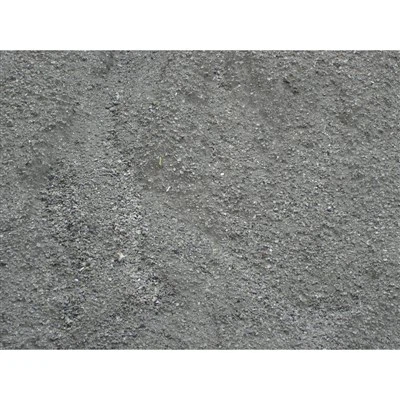
As a supplier dealing in pyrite – types of ores, I’ve witnessed firsthand the complex relationship between pyrite and water quality. Pyrite, also known as "fool’s gold" due to its brassy – yellow color, is an iron sulfide mineral with the chemical formula FeS₂. It is one of the most abundant sulfide minerals on Earth and can have far – reaching consequences for water systems.
Oxidation of Pyrite and Acid Mine Drainage
One of the most significant impacts of pyrite on water quality is the generation of acid mine drainage (AMD). When pyrite is exposed to air and water, a series of oxidation reactions occur. The first step is the oxidation of pyrite by oxygen in the presence of water:
2FeS₂(s)+7O₂(g)+2H₂O(l)→2Fe²⁺(aq) + 4SO₄²⁻(aq)+4H⁺(aq)
The ferrous iron (Fe²⁺) produced can then be further oxidized by oxygen to ferric iron (Fe³⁺):
4Fe²⁺(aq)+O₂(g)+4H⁺(aq)→4Fe³⁺(aq)+2H₂O(l)
The ferric iron can react with pyrite, accelerating the oxidation process:
FeS₂(s)+14Fe³⁺(aq)+8H₂O(l)→15Fe²⁺(aq)+2SO₄²⁻(aq)+16H⁺(aq)
As a result of these reactions, the water becomes highly acidic with a low pH value, often dropping below 3. This acidic water is extremely detrimental to aquatic life. Most fish, invertebrates, and plants have a specific pH range in which they can survive. The low pH can damage the gills of fish, disrupt the reproductive systems of invertebrates, and inhibit the growth of aquatic plants.
Elevated Metal Concentrations
In addition to acidification, pyrite oxidation also releases a significant amount of heavy metals. Along with Fe, other metals such as copper (Cu), zinc (Zn), lead (Pb), and cadmium (Cd) are often associated with pyrite deposits. When pyrite is oxidized, these metals are also mobilized and enter the water.
These heavy metals are toxic to aquatic organisms even at low concentrations. For example, copper is an essential micronutrient for some organisms, but high levels can cause oxidative stress, interfere with enzyme function, and disrupt the normal physiological processes of fish and invertebrates. Lead can accumulate in the tissues of organisms over time, leading to neurological damage, reproductive problems, and reduced growth rates.
Impact on Water Clarity and Sedimentation
The oxidation of pyrite also leads to the precipitation of iron hydroxides. As the ferric iron in the acidic water comes into contact with more alkaline waters or is oxidized further, it forms insoluble iron hydroxides such as Fe(OH)₃. These compounds often appear as orange – brown precipitates, which can cover the streambed and reduce the light penetration in the water.
Reduced light penetration affects the photosynthesis of aquatic plants. Without sufficient light, plants cannot produce enough energy to grow and survive, which in turn disrupts the entire food chain in the aquatic ecosystem. Additionally, the iron hydroxides can increase the sediment load in the water, causing siltation of streams and rivers. This siltation can fill in the spaces between rocks and gravel where fish and invertebrates live, reducing their available habitat.
Altered Nutrient Cycling
The presence of pyrite – derived acid and heavy metals can also disrupt normal nutrient cycling in water systems. For instance, phosphorus is an essential nutrient for aquatic plants and algae. In acidic waters, the solubility of phosphorus can change, making it less available for uptake by plants. This can lead to a decrease in primary productivity, as plants are limited in their ability to grow and carry out photosynthesis.
On the other hand, the release of heavy metals can also affect the microbial communities in the water. Microbes play a crucial role in nutrient cycling, such as the decomposition of organic matter and the transformation of nitrogen compounds. Heavy metals can inhibit the growth and activity of these microbes, leading to imbalances in the nitrogen and carbon cycles in the water.
Mitigation and Responsibility
As a pyrite ore supplier, I understand the responsibility that comes with dealing with this mineral. There are several methods to mitigate the impacts of pyrite on water quality. One approach is the use of treatment systems at mining sites. These systems can neutralize the acidic water, remove heavy metals, and reduce the sediment load before the water is discharged into natural water bodies.
Another strategy is to implement best management practices during mining operations. This includes proper waste management, such as the storage of pyrite – containing waste in lined impoundments to prevent water infiltration and oxidation. Reclamation of mined areas is also crucial. By covering the exposed pyrite with soil and vegetation, the contact with air and water can be minimized, reducing the potential for acid mine drainage.
The Positive Side: Industrial Uses and Potential Solutions
Despite its negative impacts on water quality, pyrite has many important industrial uses. It is a major source of sulfur, which is used in the production of sulfuric acid, a key industrial chemical used in the production of fertilizers, metals refining, and the manufacture of synthetic materials.
In some cases, innovative technologies are being developed to turn the problem of pyrite – related water pollution into an opportunity. For example, researchers are exploring the use of pyrite oxidation to generate electricity in microbial fuel cells. These cells use the natural oxidation of pyrite by bacteria to produce a small electric current while also reducing the environmental impact of pyrite.
Conclusion: A Call to Action
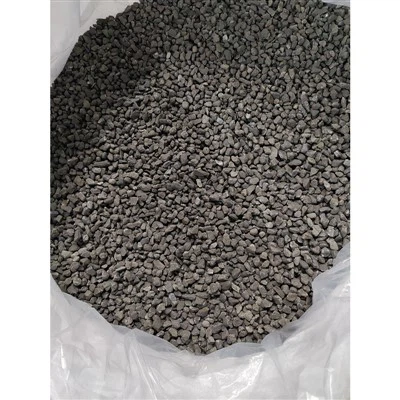
As a supplier of pyrite – types of ores, I am committed to working with the industry, environmental scientists, and regulatory bodies to minimize the negative impacts of pyrite on water quality. We can’t ignore the problems caused by pyrite oxidation, but at the same time, we should also make the most of its industrial potential.
Inorganic Chemicals- Pyrite-related Products If you are interested in purchasing our high – quality pyrite ores for your industrial needs, we invite you to contact us for procurement discussions. We are dedicated to providing not only excellent products but also sharing our knowledge and experience on how to handle pyrite in an environmentally responsible way.
References
- Nordstrom, D. K., & Alpers, C. N. (1999). Geochemistry of acid mine waters. In Environmental geochemistry of sulfide oxidation (pp. 3 – 35). American Chemical Society.
- Simate, G. S., & Ndlovu, S. (2014). Acid mine drainage: challenges and opportunities. Journal of the Southern African Institute of Mining and Metallurgy, 114(10), 813 – 822.
- Johnson, D. B., & Hallberg, K. B. (2005). Acid mine drainage remediation options: A review. Science of the total environment, 338(1 – 3), 3 – 14.
Yunfu Fuliu Mineral Materials Co., Ltd.
We are one of the most reliable pyrite-types of ores suppliers in China, specialized in providing high quality customized products. Welcome to wholesale bulk pyrite-types of ores in stock here from our factory. If you have any enquiry about free sample, please feel free to email us.
Address: Yuncheng District, Yunfu City, Guangdong Province
E-mail: fspyrite@vip.126.com
WebSite: https://www.fuliupyrite.com/
