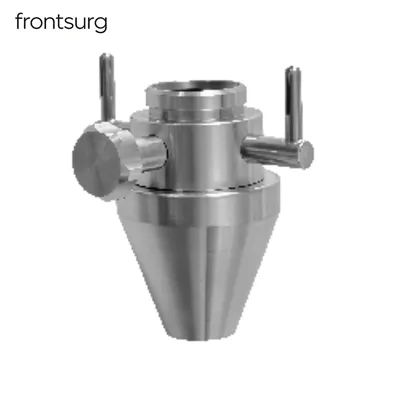
In the medical field, puncture and access procedures are routine yet carry inherent risks, one of the most concerning being bone damage. As a puncture and access supplier, I’ve seen firsthand how crucial it is to prevent such damage. In this blog, I’ll share some practical tips and insights on how to safeguard bones during these procedures. Puncture and Access
Understanding the Risks
First off, let’s talk about why bone damage can happen during puncture and access. When a needle or catheter is inserted, there’s a chance it might hit a bone. This can occur due to improper technique, inaccurate anatomical knowledge, or simply bad luck. The consequences of bone damage can be serious. It might cause pain for the patient, lead to infections, or even affect the long – term function of the bone.
For example, in cases where a bone is fractured during a puncture, the patient may experience immediate and intense pain. This could also delay the recovery process and potentially lead to more complex medical issues down the line. In addition, if the bone is penetrated, bacteria can enter, increasing the risk of osteomyelitis (a bone infection).
Pre – procedure Preparation
A key step in preventing bone damage is thorough pre – procedure preparation. It all starts with a detailed assessment of the patient’s anatomy. As a medical professional, you need to have a good understanding of where the bones are located in the area of the proposed puncture. This might involve using imaging techniques like X – rays, CT scans, or ultrasound.
Let me give you an example. If you’re planning a puncture in the wrist area, ultrasound can be incredibly useful. It allows you to visualize the bones, blood vessels, and nerves in real – time. This way, you can identify the optimal entry point and path for the needle, avoiding the bones as much as possible.
Another important aspect of pre – procedure preparation is patient education. You need to explain the procedure to the patient, including the potential risks and what they can do to help. For instance, you can ask the patient to remain still during the procedure. Any sudden movements can increase the risk of the needle hitting a bone.
Choosing the Right Equipment
As a puncture and access supplier, I know that the equipment you use plays a crucial role in preventing bone damage. There are various types of needles and catheters available, and it’s important to choose the right one for the specific procedure.
For example, needles come in different gauges and lengths. A thicker gauge needle might be more suitable for certain procedures, but it also has a higher risk of causing more damage if it hits a bone. In contrast, a thinner gauge needle may be less likely to cause significant bone damage but may not be appropriate for all situations. You also need to consider the length of the needle. A needle that is too long can penetrate deeper and potentially reach the bone, while a needle that is too short may not reach the target area.
Catheters are another important piece of equipment. Some catheters are designed with features to reduce the risk of bone damage. For example, there are catheters with flexible tips that can bend and navigate around bones more easily.
Correct Insertion Techniques
Proper insertion techniques are essential for preventing bone damage. When inserting a needle or catheter, you should use a gentle and controlled approach. Rushing the procedure or using excessive force can increase the likelihood of hitting a bone.
One useful technique is the "touch – and – go" method. This involves gently touching the skin with the needle tip and then advancing it slowly. As you feel the resistance of the tissues, you can adjust the angle and direction of the needle to avoid bone structures. You should also use a smooth and continuous motion when inserting the needle, rather than making jerky or sudden movements.
Another important aspect is the angle of insertion. The optimal angle can vary depending on the location of the puncture. For example, when inserting a needle into the subclavian vein, you typically want to use a relatively shallow angle to avoid hitting the first rib. In general, it’s a good idea to have a reference point or anatomical landmark to guide you in determining the correct angle.
Monitoring During the Procedure
Monitoring the patient during the puncture and access procedure is crucial. You should be constantly aware of the patient’s reaction, such as any signs of pain or discomfort. If the patient suddenly reports sharp pain, it could be a sign that the needle has hit a bone.
In addition to patient feedback, you can also use monitoring devices. For example, if you’re using a catheter, you can monitor the blood flow. Abnormal blood flow patterns may indicate that the catheter is in an incorrect position or has come into contact with a bone. Ultrasound or fluoroscopy can also be used during the procedure to provide real – time visualization and ensure that the needle or catheter is on the correct path.
Post – procedure Care
After the procedure, proper post – procedure care is important to minimize the risk of complications related to bone damage. You should monitor the patient for any signs of pain, swelling, or infection at the puncture site. If the patient experiences persistent pain, it may be necessary to conduct further investigations, such as imaging tests, to check for bone damage.
You should also provide the patient with clear instructions on how to care for the puncture site. This may include keeping the area clean and dry, avoiding strenuous activities for a certain period, and taking any prescribed medications as directed.
Training and Education
As a puncture and access supplier, I believe that training and education are key to preventing bone damage. Medical professionals need to receive comprehensive training on puncture and access procedures, including proper anatomical knowledge, equipment use, and insertion techniques.
Continuing education is also important. The medical field is constantly evolving, and new techniques and equipment are being developed all the time. By staying updated on the latest research and best practices, medical professionals can improve their skills and reduce the risk of bone damage during puncture and access procedures.
Conclusion
Preventing bone damage during puncture and access procedures is a multi – faceted challenge. It requires thorough pre – procedure preparation, the use of the right equipment, correct insertion techniques, careful monitoring during the procedure, proper post – procedure care, and ongoing training and education.
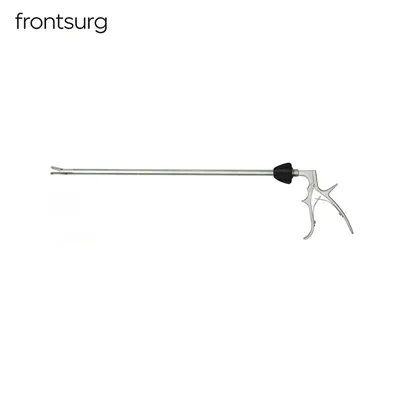
Surgical Scissor As a puncture and access supplier, we’re committed to providing high – quality products and supporting medical professionals in their efforts to prevent bone damage. If you’re interested in learning more about our products or have any questions about puncture and access procedures, feel free to reach out to us for a procurement discussion. We’re here to help you ensure the best possible outcomes for your patients.
References
- Smith, J. A., & Johnson, B. L. (2018). Best Practices in Puncture and Access Procedures. Journal of Medical Techniques, 25(3), 120 – 135.
- Brown, C. D., & Davis, E. F. (2019). Preventing Complications in Puncture Procedures. Medical Safety Review, 18(2), 78 – 92.
- Wilson, G. H., & Miller, H. I. (2020). The Role of Equipment in Minimizing Bone Damage during Puncture. Equipment in Medicine Journal, 30(4), 200 – 215.
Frontmed (Hangzhou) Trading Co., Ltd.
Frontmed (Hangzhou) Trading Co., Ltd. is one of the most experienced puncture and access equipment manufacturers and suppliers in China, also supports custom service. Please rest assured to wholesale high quality puncture and access equipment made in China here from our factory. Contact us for more details.
Address: Room 406, Building 6, No.1688 Chunjiang East Rd, Tonglu, 311500, Hangzhou
E-mail: alex@frontsurg.com
WebSite: https://www.frontsurg.com/
