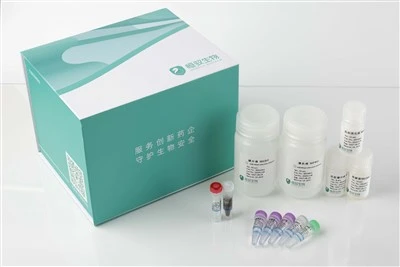
Safety is of paramount importance, especially when working in confined spaces. As a provider of safety detection kits, I often receive inquiries about the suitability and effectiveness of our products in such challenging environments. In this blog post, I will delve into the details of using safety detection kits in confined spaces, exploring their benefits, limitations, and best practices. Safety Detection Kits
Understanding Confined Spaces
Before discussing the use of safety detection kits, it’s crucial to understand what confined spaces are. A confined space is an area that is large enough for a person to enter and perform work, has limited or restricted means of entry or exit, and is not designed for continuous occupancy. Examples include storage tanks, sewers, silos, and manholes.
Confined spaces pose unique safety risks due to factors such as poor ventilation, the presence of hazardous gases, and the potential for entrapment. These risks can lead to serious injuries or even fatalities if not properly managed. Therefore, it is essential to implement comprehensive safety measures, including the use of appropriate detection equipment.
Benefits of Using Safety Detection Kits in Confined Spaces
Safety detection kits play a vital role in ensuring the safety of workers in confined spaces. Here are some of the key benefits:
Gas Detection
One of the primary risks in confined spaces is the presence of hazardous gases, such as oxygen deficiency, carbon monoxide, hydrogen sulfide, and methane. Gas detection sensors in safety kits can continuously monitor the air quality in the confined space, providing real – time alerts when gas levels exceed safe limits. This allows workers to take immediate action, such as evacuating the area or using personal protective equipment.
Air Quality Monitoring
In addition to gas detection, safety detection kits can also monitor other aspects of air quality, such as particulate matter and humidity. This is important as poor air quality can cause respiratory problems and other health issues for workers. By continuously monitoring air quality, employers can take steps to improve ventilation and ensure a safe working environment.
Early Warning Systems
Safety detection kits can act as early warning systems for potential hazards. For example, if a small gas leak occurs in a confined space, the detection kit can detect it before the situation becomes dangerous. This early warning allows employers to address the issue promptly, preventing accidents and minimizing the risk to workers.
Compliance
Many regulatory bodies require employers to conduct regular safety checks in confined spaces. Using safety detection kits helps employers meet these regulatory requirements, demonstrating their commitment to worker safety.
Limitations of Safety Detection Kits in Confined Spaces
While safety detection kits offer numerous benefits, they also have some limitations that need to be considered:
Limited Detection Range
Some detection sensors may have a limited range, which means they may not be able to detect hazards in all areas of a confined space. In large or complex confined spaces, multiple sensors may be required to ensure comprehensive coverage.
Sensor Degradation
Over time, the sensors in safety detection kits can degrade, leading to inaccurate readings. Regular calibration and maintenance are essential to ensure the reliability of the sensors.
Environmental Factors
Environmental conditions in confined spaces, such as high humidity, extreme temperatures, or the presence of dust and debris, can affect the performance of the detection sensors. Specialized sensors may be required to operate effectively in these challenging conditions.
Best Practices for Using Safety Detection Kits in Confined Spaces
Pre – entry Checks
Before entering a confined space, a thorough pre – entry check should be conducted using the safety detection kit. This includes measuring gas levels, checking air quality, and ensuring that the detection equipment is functioning properly. If any hazardous conditions are detected, appropriate measures should be taken to mitigate the risks before entry.
Continuous Monitoring
Once workers are inside the confined space, continuous monitoring of air quality and gas levels should be maintained using the safety detection kit. This can be done through fixed – point sensors or portable devices carried by the workers. Real – time data should be transmitted to a central monitoring station if possible, allowing for immediate response in case of an emergency.
Training
Workers who use safety detection kits in confined spaces should receive comprehensive training on how to operate the equipment, interpret the readings, and respond to alarms. Training should also include the proper use of personal protective equipment and emergency procedures.
Maintenance and Calibration
Regular maintenance and calibration of the safety detection kits are essential to ensure their accuracy and reliability. This includes cleaning the sensors, replacing batteries as needed, and conducting calibration checks according to the manufacturer’s instructions.
Case Studies
To illustrate the importance of using safety detection kits in confined spaces, let’s look at a few real – life case studies:
Case Study 1: A chemical plant
In a chemical plant, workers were required to enter a storage tank to perform maintenance work. Before entering the tank, they used a safety detection kit to measure gas levels. The kit detected high levels of hydrogen sulfide, a highly toxic gas. The workers immediately evacuated the area and the plant management took steps to ventilate the tank and reduce the gas levels. Thanks to the early detection by the safety kit, a potentially fatal accident was avoided.
Case Study 2: A sewage treatment plant
At a sewage treatment plant, workers were entering a manhole for inspection. The safety detection kit they used detected low oxygen levels in the manhole. Instead of proceeding with the inspection, the workers installed ventilation equipment to increase the oxygen levels. This simple action prevented oxygen deficiency – related accidents among the workers.
Conclusion

In conclusion, safety detection kits are invaluable tools for ensuring the safety of workers in confined spaces. While they have some limitations, the benefits of using these kits far outweigh the risks. By understanding the unique challenges of confined spaces, following best practices for using detection equipment, and conducting regular maintenance and calibration, employers can significantly reduce the risk of accidents and protect the well – being of their workers.
Host Cell Residual Protein Detection Kits If you are an employer looking to enhance safety in confined spaces or need more information about our safety detection kits, I encourage you to reach out to us. We are dedicated to providing high – quality safety solutions and can work with you to determine the best detection kits for your specific needs.
References
- Occupational Safety and Health Administration (OSHA). "Confined Spaces." Retrieved from OSHA official publications.
- American National Standards Institute (ANSI). "Standards for Safety in Confined Spaces."
- Industry reports on safety detection equipment and confined space safety.
HyQure Biotech Co., Ltd.
As a professional safety detection kits enterprise in China and Switzerland, we rely on international compliance standards, leverages excellent quality and technical strength. If you have any enquiry about cooperation, please feel free to email us.
Address: Building 18, Lane 2777 East Jinxiu Road, Pudong New Area, Shanghai 2.Stücki Park Hochbergerstr. 60 I, 4057 Basel Switzerland
E-mail: service@hyqure.com
WebSite: https://www.hyqure.com/
