Medical bandages are a common sight in hospitals, often associated with treating injuries, dressing wounds, and providing support during the healing process. As a medical bandages supplier, I’ve had the privilege of seeing the diverse applications of these essential medical tools. But the question remains: Are medical bandages used in hospitals only? The answer is a resounding no. In this blog post, I’ll delve into the various settings and contexts where medical bandages play a crucial role beyond the hospital walls. Medical Bandages
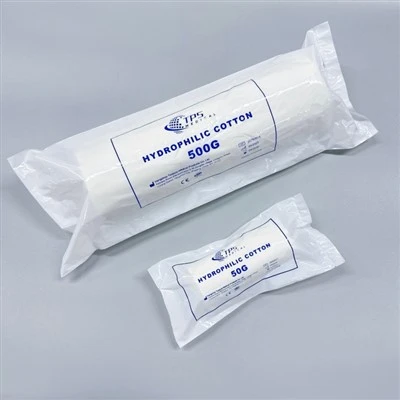
The Hospital: A Hub for Bandage Use
Hospitals are, undoubtedly, one of the primary consumers of medical bandages. They are used in various departments, from the emergency room to surgical suites, and in patient care units. In the emergency room, bandages are used to quickly control bleeding from traumatic injuries. They can range from simple adhesive bandages for minor cuts to large, absorbent dressings for more severe wounds.
In surgical settings, bandages serve multiple purposes. After a surgical procedure, they are used to cover the incision site, protect it from infection, and absorb any drainage. Compression bandages are also commonly used to reduce swelling and support the surgical area during the initial stages of recovery. In patient care units, bandages are essential for wound care, ensuring that the wound remains clean and dressed to promote healing.
Medical Bandages in Primary Care and Clinics
Beyond hospitals, primary care clinics and doctor’s offices are significant users of medical bandages. General practitioners and family doctors often treat minor injuries such as cuts, scrapes, and burns, and bandages are a staple in their treatment arsenal. They use bandages to clean and dress the wound, providing a barrier against bacteria and other contaminants.
Dermatology clinics also rely heavily on medical bandages. For patients with skin conditions like eczema, psoriasis, or skin allergies, bandages can be used to apply topical medications and keep the affected area covered and protected. Additionally, they can help maintain moisture levels in the skin, which is crucial for the healing process.
First Aid and Emergency Response
Medical bandages are an essential component of first aid kits in various settings, including workplaces, schools, and homes. In the event of an accident, having a supply of bandages on hand can make a significant difference in providing immediate care. Whether it’s a minor cut at the workplace or a scraped knee on the playground, a simple adhesive bandage can clean the wound, prevent infection, and promote faster healing.
Emergency response teams, such as paramedics and firefighters, also carry a variety of bandages in their kits. They are trained to handle a wide range of injuries, from minor cuts to severe bleeding. Compression bandages, tourniquets, and hemostatic dressings are all vital tools in their first aid arsenal, allowing them to control bleeding and stabilize patients before they reach a hospital.
Sports and Fitness
The sports and fitness industry is another area where medical bandages are widely used. Athletes often experience injuries such as sprains, strains, and blisters, and bandages can provide support and protection during the healing process. Elastic bandages, for example, are commonly used to wrap joints like the ankles, knees, and wrists to provide compression and stability.
In addition to injury treatment, bandages are also used for preventive purposes in sports. Some athletes wear tape or bandages to support their joints and prevent injuries during high-impact activities. For example, gymnasts may use wrist tape to support their wrists during routines, while runners may wrap their ankles to prevent sprains.
Veterinary Medicine
Medical bandages are not just for humans; they are also widely used in veterinary medicine. Veterinarians use bandages to treat injuries and wounds in animals, similar to how they are used in human medicine. They can be used to cover small cuts and abrasions or to provide support and protection for more severe injuries.
In addition to wound care, bandages can also be used in veterinary surgery. After a surgical procedure, a bandage may cover the incision site and prevent the animal from licking or biting the wound, which could lead to infection. Compression bandages may also be used to reduce swelling and support the surgical area during the recovery process.
Industrial and Occupational Settings
Many industrial and occupational settings require workers to wear protective gear, including medical bandages. For example, in the food processing industry, workers may wear finger cots or bandages to protect their hands from cuts and burns. In the construction industry, workers may use bandages to protect their hands from sharp objects and rough surfaces.
Additionally, some industries require workers to wear compression bandages to prevent blood clots and improve circulation. This is especially important for workers who stand or sit for long periods, such as nurses, factory workers, and office workers.
Home Care and Personal Use
Finally, medical bandages are also widely used in home care and personal use. People often keep a supply of bandages in their homes for minor injuries and first aid. Adhesive bandages, in particular, are a common household item, used to cover small cuts, scrapes, and blisters.
In addition to minor injuries, bandages can also be used for home medical treatments. For example, people with diabetes may use bandages to cover insulin injection sites, while others may use them to apply topical medications or herbal remedies.
Conclusion
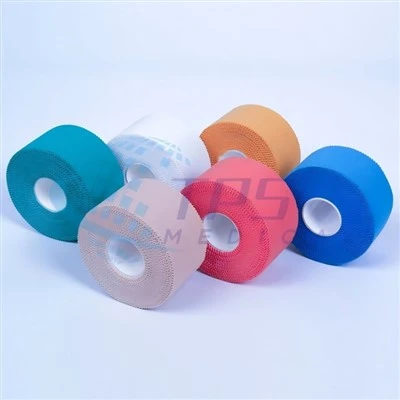
As a medical bandages supplier, I have witnessed firsthand the versatility and importance of these essential medical tools. While hospitals are undoubtedly a significant consumer of medical bandages, they are used in a wide range of settings beyond the hospital walls. From primary care clinics and first aid kits to sports and fitness, veterinary medicine, industrial settings, and home care, medical bandages play a crucial role in treating injuries, promoting healing, and providing support.
First Aid Kits If you are in the market for high-quality medical bandages for your hospital, clinic, workplace, or personal use, I encourage you to reach out to me. I am committed to providing the best products and service to meet your needs. Whether you need a small quantity for personal use or a large supply for your business, I can help you find the right bandages at a competitive price. Contact me today to discuss your requirements and let’s start a conversation about how we can work together to meet your medical bandage needs.
References
- Medical-Surgical Nursing: Assessment and Management of Clinical Problems, 11th Edition by Sharon L. Lewis, Margarete M. Harding, Jeffrey L. Kwong, Debra J. Roberts, and Juliann M. Hagler
- First Aid Manual, American Red Cross
- Sports Medicine: Principles and Practice, 4th Edition by Scott D. Fields and Julian A. Hermoso
- Veterinary Surgery: Small Animal, 2nd Edition by Adam T. Watson and Jörg M. Steiner
Hangzhou Tuopusi Medical Products Co., Ltd.
As one of the most professional medical bandages manufacturers and suppliers in China, we offer a wide range of products with superior quality. Please feel free to wholesale bulk customized medical bandages at competitive price from our factory. Also, free sample is available.
Address:
E-mail: sales@tpsmedic.com
WebSite: https://www.medressing.com/
